Loading

We are committed to redefining the construction industry with innovative solutions, cutting-edge technology, and sustainable practices. Our team of experts ensures every project is crafted



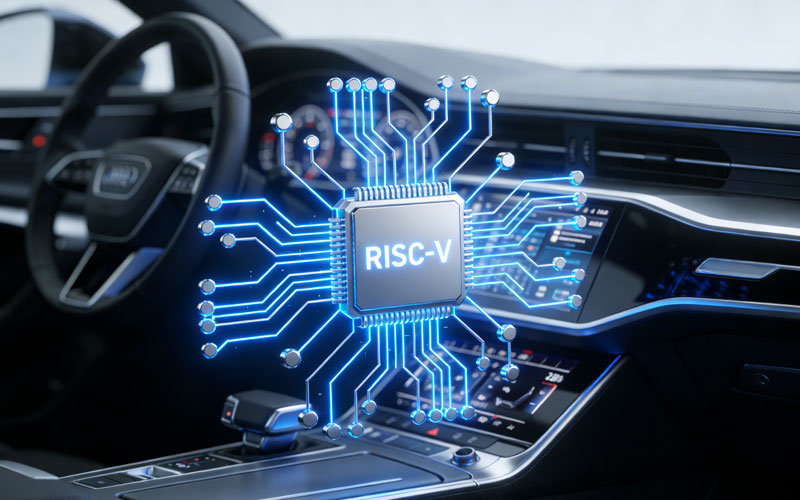
RISC-V Architecture Rises: Reshaping the Competitive Landscape of Automotive Chips
13 Nov 2025 News
RISC-V open architecture gains traction in automotive chips; domestic firms & Nvidia/Qualcomm race for R&D, with $8.9B 2030 market forecast amid ecosystem challenges.
The RISC-V open architecture is emerging as a new force in the automotive chip industry, providing domestic enterprises with a shortcut to break dependence on ARM and reshape the global competitive landscape. As intelligent driving and in-vehicle electronics demand higher computing power and lower costs, RISC-V's flexibility, openness, and low licensing fees have attracted widespread attention from chip designers and automakers.
In 2025, the RISC-V ecosystem in the automotive sector is accelerating its maturity. Major domestic chip firms have stepped up R&D of automotive-grade RISC-V chips. For example, Xinchi Technology is developing a RISC-V-based domain controller chip, which is expected to reduce licensing costs by 30% compared to ARM-based products while improving computing efficiency. Huawei has integrated RISC-V cores into its latest in-vehicle AI chips, achieving a balance between performance and power consumption. International players are also joining the race: Nvidia plans to launch a RISC-V auxiliary core in its next-generation Thor chip, and Qualcomm is cooperating with RISC-V International to formulate automotive-grade architecture standards.
The market potential of RISC-V automotive chips is huge. According to industry forecasts, the global RISC-V automotive chip market size will reach $8.9 billion by 2030, with a compound annual growth rate of 42.3%. Policy support is also increasing: the Chinese government has included RISC-V in the key development areas of the semiconductor industry, providing subsidies for R&D and industrialization. However, challenges exist, including the lack of mature automotive-grade software ecosystems and insufficient verification cases. Industry insiders suggest that "chip enterprises + automakers" collaborative R&D will accelerate the commercialization of RISC-V chips, especially in mid-to-low-end MCUs and sensor controllers.
Need Any Help
Nees Any Help, Please contact Us
- Work:
- M-F, 09AM -06PM
- Mail Us
- info@fct-elec.com
- Location:
- KWUN TONG, KL, HK